Personalizing the Shopper Journey with CRM Integration
In today’s competitive retail environment, personalization is no longer a luxury—it’s an expectation. Modern consumers want brands to understand their preferences, anticipate their needs, and deliver seamless experiences across every touchpoint. Businesses that fail to provide personalized interactions risk losing customers to competitors that can.
One of the most effective ways to create tailored customer experiences is through Customer Relationship Management (CRM) integration. By connecting communication channels, customer data, and business processes, organizations can gain a comprehensive view of each customer and use that information to enhance every stage of the shopper journey.
Businesses looking to modernize customer engagement strategies often explore advanced communication and collaboration technologies through providers like Maxlink Solutions, which offers integrated communication solutions designed to support personalized customer experiences.
Why Personalization Matters More Than Ever
Today’s customers interact with brands through multiple channels, including phone calls, SMS, email, live chat, social media, and contact centers. They expect these interactions to feel connected and consistent regardless of where the conversation begins.
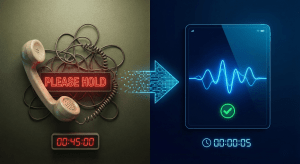
When businesses lack integrated systems, customer information becomes fragmented. Customers may have to repeat information multiple times, leading to frustration and lower satisfaction.
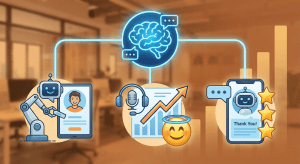
CRM integration helps solve this problem by centralizing customer information and making it accessible across all communication channels. This allows businesses to deliver more relevant recommendations, faster service, and stronger customer relationships.
What Is CRM Integration?
CRM integration connects customer relationship management software with communication platforms and business applications. The goal is to create a unified environment where customer data flows seamlessly between systems.
For example, integrating CRM software with a Cloud PBX phone system allows customer information to appear automatically when a call arrives. Agents can immediately access purchase history, previous interactions, and support records, enabling more personalized conversations.
Similarly, integrating CRM platforms with business SMS solutions enables organizations to send targeted promotions, appointment reminders, and personalized updates based on customer behavior and preferences.
Creating a Unified Customer View
A unified customer profile is one of the most valuable outcomes of CRM integration. Instead of maintaining separate records across different departments, businesses gain a complete picture of customer interactions.
This unified view may include:
- Purchase history
- Service requests
- Communication preferences
- Marketing engagement
- Support interactions
- Demographic information
- Loyalty program activity
When customer data is consolidated, businesses can deliver highly relevant experiences that increase engagement and conversion rates.
Organizations exploring broader digital transformation initiatives often start with comprehensive business communication solutions that support CRM integration and omnichannel customer engagement.
Enhancing Customer Service Through CTI Integration
Computer Telephony Integration (CTI) plays a critical role in creating personalized shopper experiences. CTI connects phone systems directly with CRM platforms, allowing customer information to appear instantly during inbound and outbound calls.
With advanced Contact Center CTI capabilities, customer service representatives can:
- Identify callers immediately
- Access customer records in real time
- Reduce call handling times
- Personalize conversations
- Improve first-call resolution rates
These capabilities help businesses deliver faster and more effective customer service while creating a more positive shopping experience.
Using Omnichannel Communication to Improve Engagement
Personalization extends beyond phone calls. Customers want the flexibility to communicate through their preferred channels.
Modern businesses can integrate CRM platforms with:
- Voice communications
- SMS messaging
- Live chat
- Contact centers
- Email systems
- Fax services
For example, integrating CRM software with business chat and collaboration tools allows support teams to maintain conversation history across multiple channels.
Similarly, electronic fax solutions can be integrated into workflows that require secure document exchange while maintaining customer records within the CRM.
The result is a more connected customer journey that feels seamless regardless of how customers choose to engage.
Leveraging Contact Center Intelligence
Advanced contact centers provide valuable insights that can further personalize the shopper experience.
Modern contact center solutions offer features such as:
- Customer interaction tracking
- Performance analytics
- Call recording
- Queue management
- Workforce optimization
By combining these capabilities with CRM data, businesses can identify customer preferences, predict future needs, and proactively address concerns before they escalate.
Features like intelligent Interactive Voice Response (IVR) can also route customers to the most appropriate agents based on their history and needs, creating a smoother experience.
Personalizing Marketing Campaigns
CRM integration also strengthens marketing efforts by enabling highly targeted campaigns.
Businesses can segment audiences based on behavior, demographics, purchase history, and engagement levels. This allows marketing teams to deliver personalized messages through channels such as:
- SMS campaigns
- Voice broadcasts
- Email marketing
- Promotional calls
Tools such as voice broadcasting solutions help organizations reach customers with personalized announcements, offers, and updates at scale.
Targeted communication not only improves campaign performance but also strengthens customer loyalty by making interactions more relevant.
Supporting Growing Businesses with Scalable Communication
As businesses expand, maintaining personalized customer experiences becomes increasingly challenging.
Scalable communication infrastructure, including SIP trunking services, helps organizations support growing customer bases while maintaining reliable connectivity and consistent service quality.
Additional tools such as virtual phone numbers and virtual receptionist solutions further enhance customer accessibility and create a professional experience across multiple locations.
Choosing the Right Technology Partner
Successful CRM integration requires more than software alone. Businesses need reliable communication platforms, expert implementation support, and scalable infrastructure.
Organizations evaluating communication providers should consider factors such as:
- Integration capabilities
- Reliability and uptime
- Security features
- Scalability
- Customer support
- Customization options
Learning more about Why Maxlink Solutions can help businesses understand how integrated communication technologies support personalized customer engagement and long-term growth.
Conclusion
Personalizing the shopper journey has become essential for businesses seeking to improve customer satisfaction, increase loyalty, and drive revenue growth. CRM integration provides the foundation for delivering meaningful, data-driven experiences across every customer touchpoint.
By connecting communication channels, contact centers, phone systems, messaging platforms, and customer data, organizations can create seamless experiences that meet modern customer expectations.
Businesses that invest in integrated communication and CRM technologies today will be better positioned to build stronger customer relationships and maintain a competitive advantage in the evolving digital marketplace.